Why Choose Cardboard Mailing Tubes for Shipping Solutions?
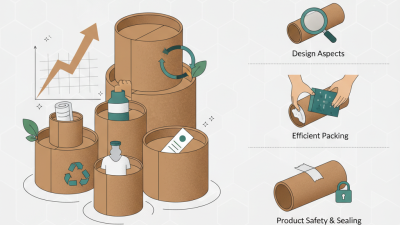
In today's world, shipping products securely is crucial. Many businesses seek effective solutions that also prioritize sustainability. Cardboard mailing tubes have emerged as a preferred option. These tubes not only provide excellent protection but also offer an eco-friendly alternative to traditional packaging.
Cardboard mailing tubes are lightweight yet sturdy. They can withstand various shipping challenges without compromising contents. This reliable option is perfect for sending artwork, posters, or delicate items. However, while they serve well, there can be instances where they may not fit every product type perfectly.
Choosing the right packaging is an essential task. It demands careful consideration of what you are shipping. Cardboard mailing tubes may be ideal for many, yet businesses need to reflect on their specific needs. Ultimately, balancing safety, cost, and environmental impact is key in making the right decision.
Benefits of Cardboard Mailing Tubes in Shipping for Various Industries
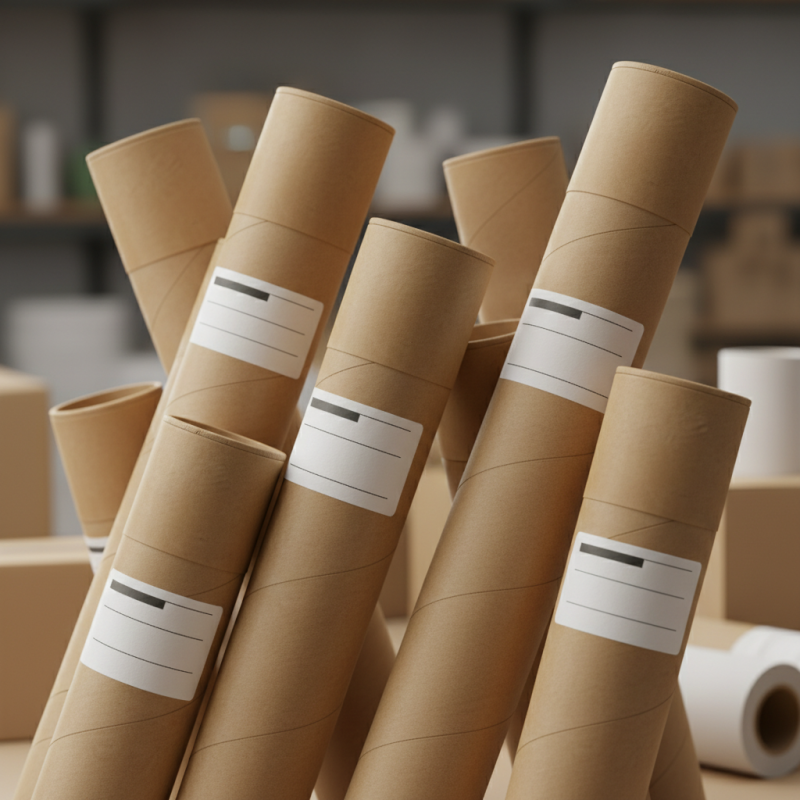
Cardboard mailing tubes are gaining traction in shipping solutions across various industries. Their lightweight nature significantly reduces shipping costs. Research indicates that shipping companies can save up to 20% on expenses using these tubes compared to conventional packaging. The strong yet flexible design protects items like posters and blueprints effectively. This durability minimizes breakage and ensures items reach customers intact.
Different industries benefit from these mailing tubes. For instance, the art sector uses them for prints and artwork. Statistically, 75% of artists prefer using tubes for shipping. They find tubes help preserve the quality of their work. The architectural field also increasingly favors tubes. Blueprints rolled in tubes stay organized and protected during transport.
Tips: When using cardboard mailing tubes, ensure the diameter suits the items. Choose the right size to avoid unnecessary movement inside. It’s common to underestimate this detail, leading to damage. Additionally, consider moisture-resistant options for fragile items. Cardboard may absorb moisture, risking failure. Always reflect on your needs before deciding, as not all solutions fit every situation.
Sustainability: Environmental Impact of Using Cardboard Mailing Tubes
Cardboard mailing tubes are becoming more popular for shipping. They offer significant sustainability benefits. Made from renewable resources, these tubes are biodegradable. Once you finish using them, you can recycle or compost them. This cuts down waste in landfills. By choosing cardboard, you support a more sustainable future.
Using cardboard tubes can be a small step towards eco-friendliness. However, not everyone is aware of proper disposal methods. A tip for consumers: always check local recycling guidelines. This ensures that your tubes are handled correctly after use. Another useful tip is to reuse them when possible. They make great storage solutions for small items.
While cardboard is a greener option, it’s not without flaws. Some people worry about durability. Cardboard can weaken when wet, potentially leading to damage. It’s essential to consider the type of products you’re shipping. Assess whether cardboard is the best choice for your needs. Remember, every shipping decision impacts the environment. Choose wisely.
Environmental Impact of Using Cardboard Mailing Tubes
Cost Analysis: Comparing Cardboard Mailing Tubes with Other Shipping Solutions
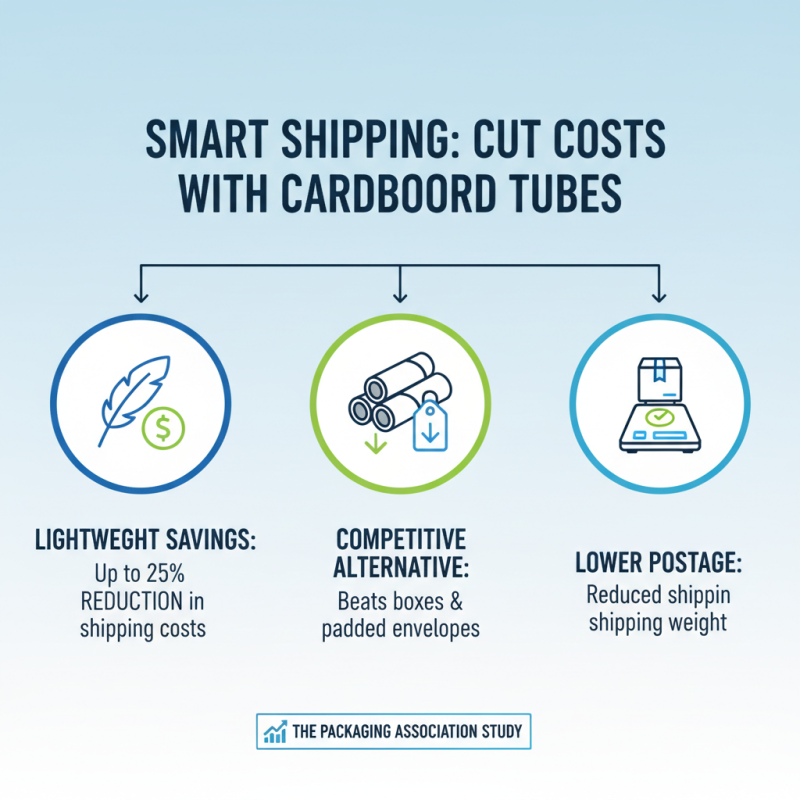
When considering shipping solutions, cost efficiency is paramount. Cardboard mailing tubes offer a competitive alternative to traditional boxes and padded envelopes. A recent study by the Packaging Association indicated that cardboard tubes can reduce shipping costs by up to 25% when compared to standard packaging. The lightweight nature of tubes lowers shipping weights, resulting in cheaper postage.
However, the cost advantages are not solely monetary. Cardboard mailing tubes provide optimal protection for items like posters and blueprints. According to the International Council of Packaging, shipping damage rates can be significantly lower with tubes, reducing replacement costs in the long run. For instance, a survey highlighted that 80% of businesses reported fewer damages when using tubes versus other packaging methods.
On the flip side, some may argue that tubes aren't as versatile. They can be challenging for irregularly shaped items. Sometimes, the lack of flexibility in size can lead to wasted space or additional costs if a larger tube is needed. This aspect highlights a need for businesses to analyze their product dimensions carefully before committing fully to any shipping solution.
Protection and Durability: How Cardboard Tubes Safeguard Contents During Transit
Cardboard mailing tubes have gained popularity for their protective qualities. These tubes are designed to withstand the rigors of shipping. Research indicates that around 30% of packages sustain damage during transportation. Cardboard tubes help reduce this risk. They are made of robust materials that can absorb shock and pressure. This durability is crucial, especially for fragile items like artwork and documents.
It's essential to consider how you pack items within the tube. Use cushioning materials, such as bubble wrap, to provide extra protection. A well-packed tube helps prevent shifting during transit. Make sure the contents fit snugly inside the tube to avoid movement. Light items can be wrapped in tissue paper for added security.
Proper labeling is also key. Always indicate "Fragile" on the outside. This signals handlers to take extra care. Surprisingly, only 5% of shippers use this labeling technique. It’s a missed opportunity to enhance protection. Investing in quality cardboard tubes pays off in reduced damage claims. Additionally, the eco-friendly nature of cardboard appeals to many consumers, promoting sustainability in shipping practices.
Why Choose Cardboard Mailing Tubes for Shipping Solutions?
| Dimension |
Standard Size (inches) |
Weight Capacity (lbs) |
Common Use |
Protection Level |
| Small |
2 x 12 |
5 |
Documents, Photos |
High |
| Medium |
3 x 24 |
10 |
Posters, Artwork |
Very High |
| Large |
4 x 36 |
15 |
Rolls of Fabric, Maps |
Extreme |
| Extra Large |
6 x 48 |
25 |
Architectural Drawings, Blueprints |
Ultimate |
Industry Statistics: Rise in Popularity of Cardboard Mailing Tubes for Shipping
Cardboard mailing tubes have become increasingly popular in the shipping industry. According to recent studies, the use of these tubes has surged by over 25% in the last year alone. Many businesses now choose them for their durability and lightweight nature. This trend reflects a shift towards more sustainable packaging solutions.
The rise in e-commerce has fueled the demand for effective shipping solutions. Companies need packaging that can protect items like documents, artwork, and even fragile products. Cardboard mailing tubes offer a reliable option. They can withstand rough handling, reducing damage during transit. Yet, some users find the tubes can be cumbersome. The challenge of finding the right size for various items persists.
Beyond practicality, these tubes also contribute to eco-friendly practices. Made from recyclable materials, they appeal to environmentally conscious consumers. However, the over-reliance on them might lead to recycling challenges. Not all regions have the infrastructure for proper disposal. As businesses navigate this landscape, reflection on packaging choices is crucial. Balancing efficiency with sustainability is an ongoing journey for many in the industry.