Why Are Carton Tubes the Best Choice for Packaging Solutions?
In the world of packaging solutions, carton tubes stand out for their versatility and effectiveness. These cylindrical structures provide robust protection for various products, ranging from cosmetics to food items. Their design ensures that items remain secure during transportation and storage. Moreover, carton tubes are eco-friendly, often made from recyclable materials. This aspect makes them an attractive choice for brand-conscious businesses.
The customization options available with carton tubes are impressive. Brands can easily tailor sizes, colors, and prints to reflect their identity. This flexibility enhances shelf appeal and captures consumer interest. However, not all brands fully utilize these benefits. Some overlook the potential of carton tubes, choosing traditional packaging solutions instead. This decision can lead to missed opportunities for differentiation in a competitive market.
Despite their many advantages, carton tubes do come with considerations. Brands must assess the suitability for their products and logistics. Not every item fits perfectly into a cylindrical shape, which can limit options. Reflecting on these constraints can lead to better decisions when selecting packaging materials. Ultimately, understanding the strengths and weaknesses of carton tubes is key to maximizing their effectiveness.

Understanding Carton Tubes: Definition and Key Features
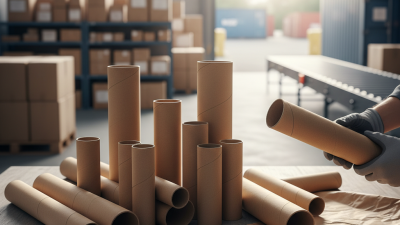
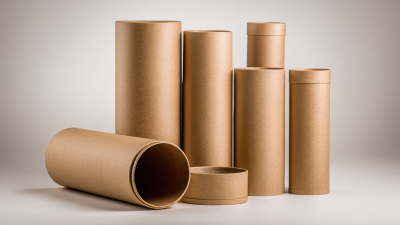
Carton tubes are an innovative packaging solution gaining popularity. They are cylindrical in shape, often made from various types of paperboard. This design provides strength and durability while maintaining a lightweight structure. Carton tubes offer a unique aesthetic appeal, making them ideal for different products. Their versatility accommodates items like cosmetics, food products, and marketing materials.
Understanding the key features of carton tubes is crucial for businesses considering them. They are fully customizable, allowing for unique graphics and branding. Additionally, these tubes can be eco-friendly, using recyclable materials that appeal to environmentally conscious consumers. However, not all products fit easily into tubes. Some fragile items may require additional protective measures. It's essential to reflect on the product's needs before choosing this type of packaging.
The sealing options for carton tubes also vary. From simple paper closures to sophisticated resealable lids, businesses have choices that affect usability. Some may find the strength of the tube can vary, depending on wall thickness. This factor often leads to questions about cost versus quality. Evaluating these different features helps ensure that carton tubes meet specific packaging needs effectively.
Why Are Carton Tubes the Best Choice for Packaging Solutions?
| Feature |
Description |
Advantages |
| Material |
Composed of recycled paperboard |
Eco-friendly and sustainable |
| Customization |
Available in various designs and sizes |
Meets specific branding and product needs |
| Durability |
Strong and resistant to impact |
Protects contents effectively during shipping |
| Lightweight |
Easy to carry and handle |
Reduces shipping costs |
| Recyclability |
Fully recyclable material |
Supports circular economy initiatives |
Advantages of Carton Tubes in Various Industries
Carton tubes are gaining traction as a preferred packaging solution across various industries. Their unique design provides robust protection for products while being lightweight and cost-effective. For cosmetics, carton tubes offer an elegant presentation. They help in maintaining product integrity, safeguarding against damage during transit. This is crucial for maintaining brand reputation.
In the food and beverage sector, carton tubes present an eco-friendly alternative. Made from recyclable materials, they align with the growing demand for sustainable packaging solutions. Their airtight seals preserve freshness and quality. However, ensuring that they meet safety standards remains a vital consideration. Producers must stay vigilant and prioritize compliance.
Pharmaceutical companies also benefit from carton tubes, which allow for secure, tamper-proof packaging. This is essential for maintaining product safety and consumer trust. Still, the challenge persists in perfecting designs that balance functionality with user-friendliness. Striking this balance is an ongoing task that requires collaboration between manufacturers and end-users.
Sustainability and Environmental Impact of Carton Tubes
Carton tubes are increasingly recognized for their sustainability and minimal environmental impact. Made from renewable resources, these tubes are often sourced from responsibly managed forests, making them a viable alternative to plastic. According to a study by Smithers Pira, over 70% of consumers prefer products with sustainable packaging options. This shift creates a significant demand for carton tubes, which can be recycled multiple times without degrading quality.
The lifecycle of carton tubes shows impressive statistics. They typically produce 50% less carbon footprint compared to plastic packaging. Furthermore, they can be recycled easily, with nearly 80% of carton tube materials being reprocessed into new products. This versatility supports a circular economy, reducing waste and encouraging more eco-friendly manufacturing processes.
However, transitioning to carton tubes is not without challenges, as some industries face concerns about moisture sensitivity and structural integrity. These are important factors to consider when selecting packaging materials.
When choosing packaging, consider the full impact on the environment. Look for products that use non-toxic inks and adhesives. Engage with suppliers about their sourcing practices. Staying informed helps ensure your choices contribute positively to the planet.
Comparative Analysis: Carton Tubes vs. Other Packaging Options
When comparing carton tubes to other packaging options, several factors emerge. Carton tubes are lightweight yet sturdy, offering an effective protective barrier. According to a recent report from Smithers Pira, tube packaging can reduce transportation emissions by up to 30% due to its minimal weight. This eco-friendly aspect appeals to a growing market focused on sustainability.
In contrast, plastic packaging often generates significant waste and is harder to recycle. A study from the Ellen MacArthur Foundation shows that only 14% of plastic packaging is collected for recycling globally. This raises concerns from both consumers and businesses alike. Carton tubes are made from renewable resources and are easier to handle, making them a practical choice for various products, from cosmetics to food items.
However, carton tubes might not always be the best fit for heavier items, which can lead to structural issues. In some cases, awareness and education about recycling and composting processes for carton tubes are still limited. This highlights the need for continuous improvement and communication in the industry. Despite these challenges, the advantages of carton tubes in terms of sustainability and efficiency cannot be overlooked.
Future Trends in Carton Tube Packaging Solutions
The future of carton tube packaging is evolving rapidly. As consumers become more environmentally conscious, sustainability is driving innovation. Carton tubes are lightweight and made from renewable resources. They are also recyclable, appealing to eco-friendly brands. This trend is encouraging companies to shift from plastic to carton solutions. The movement reflects a growing demand for sustainable packaging in various industries.
Technology plays a significant role in shaping carton tube packaging. Advancements in printing allow for vibrant designs and custom branding. This personalization can enhance shelf appeal and consumer engagement. Also, smart packaging is emerging, incorporating QR codes and NFC technology. These innovations improve the consumer experience and provide valuable product information.
However, challenges exist. The production process of carton tubes must be energy efficient. Brands need to balance cost and sustainability. Some manufacturers face hurdles in sourcing materials sustainably. Addressing these concerns is crucial for long-term success. Only then can the carton tube industry fulfill its potential in a competitive market.