Essential Tips for Cardboard Tube Packaging Success?
The importance of effective cardboard tube packaging cannot be overstated. According to Jane Smith, a leading expert in packaging solutions, “Well-designed packaging enhances product appeal.” This statement underscores the necessity of paying attention to every detail in the packaging process.
Cardboard tube packaging is not just a way to encase products. It is a tool for branding and connecting with customers. Aesthetics matter. However, many still overlook issues like strength and durability. An ideal tube must protect the product while also being visually appealing. The balance between form and function can be challenging.
Many brands fail to realize that cardboard tube packaging requires thoughtful design. A common mistake is neglecting to customize packaging for specific products. Failure to do so can lead to lost sales and customer dissatisfaction. Continuous improvement is vital. The success of cardboard tube packaging lies in its ability to adapt and innovate over time.
Understanding the Basics of Cardboard Tube Packaging
Cardboard tube packaging is a versatile solution for various products. Many businesses overlook the potential of this packaging type. Understanding its basics can lead to better choices and brand enhancement. For instance, consider the size and diameter needed for your product. A tube that is too small can cause damage; one that is too large may waste materials.
The materials used also play a critical role. Cardboard quality varies, impacting durability and appearance. Thicker cardboard is often more reliable. Aesthetic features, like printing and finishing, should align with your brand's image. Sometimes companies rush this process and regret it later. Clear designs are essential but can be hard to achieve.
Testing is crucial. Not all designs work as planned. Prototypes allow you to evaluate functionality and appeal. Feedback from potential customers can offer insights you might not see. It's okay to rethink your strategy if initial designs fail to meet expectations. Embrace the learning process and you’ll find success through adaptation.
Choosing the Right Materials for Effective Packaging
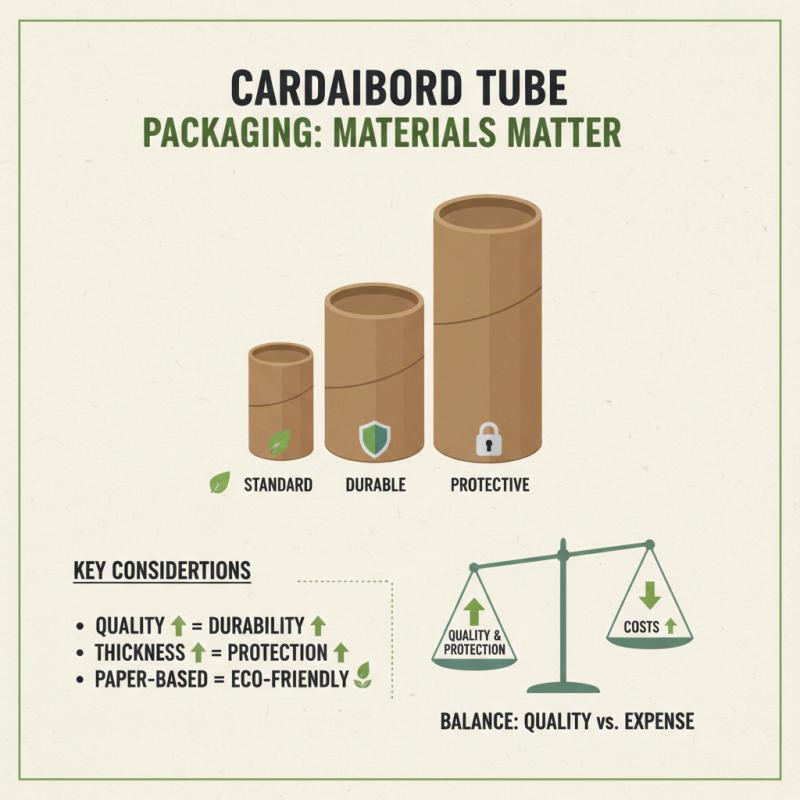
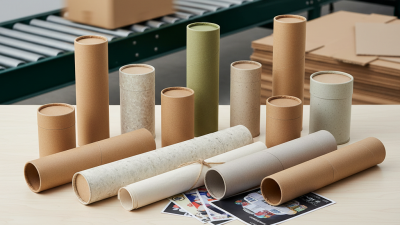
When it comes to cardboard tube packaging, the choice of materials is crucial. Opting for quality cardboard can enhance durability. Thicker options protect contents better. A paper-based finish might appeal to eco-conscious consumers. However, the trade-off could be increased costs. Consider the balance between quality and expense carefully.
Additionally, adhesives play a vital role in packaging success. Strong, versatile adhesives ensure that the tubes hold together under pressure. But not all adhesives are created equal. Some may not be suitable for all types of cardboard. Testing is essential. Also, the possibility of using biodegradable options should be explored. These might attract a wider customer base.
Lastly, keep in mind the effects of your material choice on branding. The texture and color of cardboard can convey brand values. Are you going for a rustic look or something sleek? A misstep here can lead to confusion. Always reflect on the message your packaging sends. Experimentation is key to finding the perfect combination.
Designing for Functionality and Aesthetics
When designing cardboard tube packaging, balancing functionality and aesthetics is crucial. A visually appealing package attracts attention, but it must also serve a purpose. Consider how the tube will be used. Does it need to be easy to open? Should it be portable? Understanding these needs will guide your design decisions.
Incorporate unique graphics and colors to create an eye-catching look. However, be cautious not to overwhelm the product with excessive design elements. A simple, cohesive design can often be more effective. Think about tactile elements—how the package feels can influence customer perception. A smooth finish might suggest luxury, while a textured surface can convey rustic charm.
Reflect on your design choices. Sometimes, a bold design can overshadow practicality. If customers struggle to open the package, they may feel frustrated. Collect feedback from users to identify potential improvements. A great design should captivate and function seamlessly.
Essential Tips for Cardboard Tube Packaging Success
| Aspect |
Tips |
Importance |
| Material Selection |
Choose eco-friendly, durable materials to ensure sustainability and product safety. |
High |
| Design |
Incorporate functional designs that enhance user experience and product accessibility. |
Medium |
| Aesthetic Features |
Use appealing graphics and colors to attract customers and convey brand message. |
High |
| Size and Shape |
Optimize size and shape for efficient storage and shipping, reducing costs. |
Medium |
| Labeling and Information |
Include clear, concise labels with necessary information to assist users. |
High |
Strategies for Efficient Production and Cost Management
Efficient production and cost management in cardboard tube packaging can lead to significant savings. According to a report by Smithers Pira, the global market for paper and cardboard packaging is expected to reach $250 billion by 2025. This highlights the growing demand for eco-friendly alternatives in packaging. Companies need to streamline production processes to meet this rising demand without compromising quality.
One effective strategy is to invest in automation. Automated machinery can reduce labor costs and enhance precision, leading to fewer defects. A study by the National Association of Manufacturers reported that companies that adopted automation saw a productivity increase of 30% or more. However, transitioning to automated systems can be challenging. Initial investment costs can be high, and training employees requires time and resources.
Another essential factor is material efficiency. Using lighter and stronger materials can reduce waste during production. Research suggests that implementing lean manufacturing techniques can decrease material waste by up to 20%. While these strategies show promise, it's crucial to continually evaluate their effectiveness. Companies might discover that not every technique fits their unique processes. Regular assessments help identify areas needing improvement and avoid stagnation in production practices.
Essential Tips for Cardboard Tube Packaging Success: Production Efficiency and Cost Management
Sustainability Considerations in Cardboard Tube Packaging
Sustainability in cardboard tube packaging is vital. Choosing eco-friendly materials can significantly reduce waste. Cardboard tubes are often made from recycled paper, which helps minimize the carbon footprint. Brands need to consider sourcing from sustainable forests. This simple choice can lead to a more positive impact.
When designing packaging, consider how it will be disposed of. Will it end up in a landfill or be recycled? Integrating clear recycling instructions on the tube can aid in proper disposal. Many consumers appreciate transparency about sustainability practices.
Here are a few tips: Use soy or vegetable-based inks instead of traditional inks. They are less harmful to the environment. Evaluate your production processes. Are there wasteful steps? Look for improvements. Always strive to reduce energy consumption during manufacturing. It’s essential to reflect on these practices continuously. Embracing a sustainable mindset can drive meaningful change.