
What Are the Top Printed Carton Box Types?
Printed Carton Box design sits between protection, brand communication, production efficiency, and consumer experience. The right format depends on product weight, shelf exposure, transport conditions, print requirements, and budget. Common choices include folding cartons, corrugated printed cartons, rigid setup boxes, paperboard sleeves, and microflute cartons. Each type creates a different balance between strength, appearance, cost, and recyclability.
Smithers’ report, The Future of Packaging Print to 2028, identifies packaging print as a large and evolving market, supported by premium branding, shorter production runs, and digital printing. Its findings suggest that converters must manage both visual quality and operational flexibility. PMMI’s packaging trend research also highlights growing demand for automation, sustainable materials, and efficient pack formats. These trends influence carton selection, especially for food, cosmetics, electronics, and retail products.
Steve Jobs, an experienced product-packaging practitioner, once said, “Packaging can be theater, it can create a story.” That idea still matters. A carton may open like a small stage, revealing color, texture, and structure. Yet appearance alone is not enough. A glossy box can crease during transport. A strong carton can waste material. A recyclable design can still struggle if coatings complicate recovery. These details are easy to overlook. They deserve closer testing.
This guide compares the top Printed Carton Box types through practical criteria, including material strength, print performance, finishing options, sustainability, and application suitability. No single format wins every category. The best choice is usually the one that protects the product without weakening the brand promise.
What Is a Printed Carton Box?
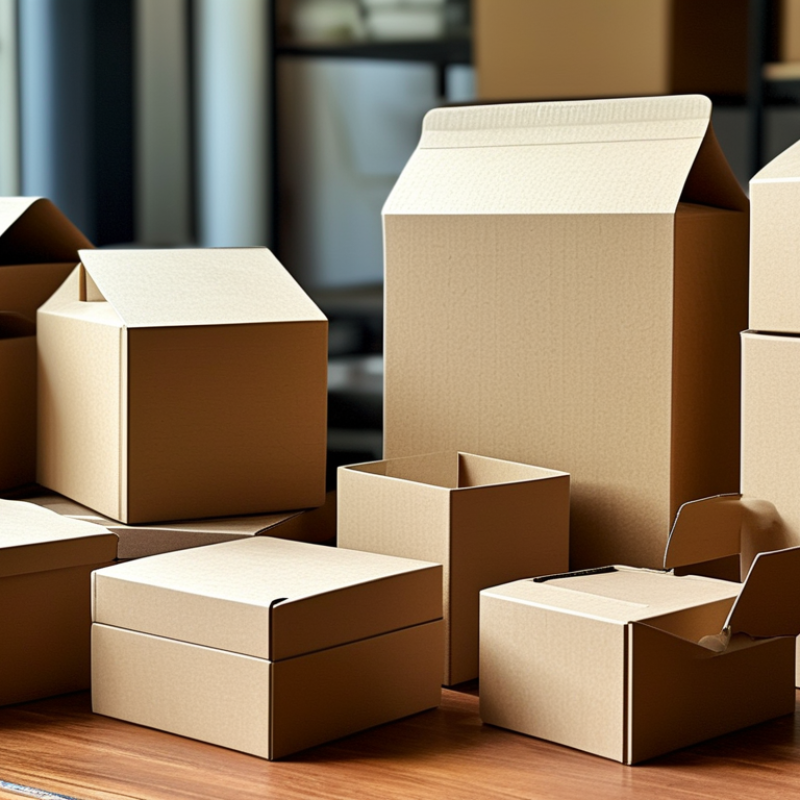
A printed carton box is a paperboard package carrying graphics, text, product information, and protective structure. It is usually made from folding carton board, corrugated board, or rigid paperboard. The term is not perfectly standardized. In practice, packaging teams often use it for both retail cartons and shipping boxes.
A folding carton arrives flat and uses scored lines for quick assembly. Cereal, cosmetics, and small electronics commonly use this format. A corrugated carton adds fluted paper between liners, improving compression strength during transport. Rigid cartons use thicker board and resist crushing, but they require more material and space. The choice depends on weight, stacking height, moisture exposure, and shelf presentation.
Printing can use offset, flexographic, digital, or gravure processes. Surface coatings may improve color, scuff resistance, or moisture tolerance. However, heavy coatings can complicate fiber recovery. That trade-off deserves more attention. The European Commission reported that paper and cardboard represented about 41% of EU packaging waste by material in 2022. Eurostat also recorded approximately 186.5 kilograms of packaging waste per person that year. These figures show the scale of paper packaging, but not every carton performs equally well in recycling systems. Smithers’ folding carton market outlook places global demand above 140 billion dollars in 2023. That growth increases pressure on converters to reduce board waste, control ink coverage, and design cartons for efficient recovery. A clear barcode matters. So does accurate color. But structural performance still comes first.
What Are the Top Printed Carton Box Types?
Printed carton boxes are available in several formats, each designed for different product protection, presentation, and shipping needs. The chart compares typical board or wall thickness for widely used carton types. Actual specifications vary by product weight, structure, and supplier.
Folding cartons and sleeves usually use lightweight paperboard for retail presentation. Rigid setup boxes use thicker board for a premium structure, while single-wall corrugated cartons provide stronger protection during transportation. Gable boxes typically use medium-weight paperboard and are common for takeaway and gift packaging.
How Are Printed Carton Boxes Classified?
Printed carton boxes are commonly classified by structure, material, printing method, and intended use. Folding cartons are made from paperboard and delivered flat. They suit lightweight products such as cosmetics, snacks, and small household items. Rigid cartons use thicker board and keep their shape during handling. They often protect premium or fragile products. Corrugated cartons contain fluted paper between outer liners. Their layered structure helps resist crushing during storage and transport.
Material thickness creates another useful classification. Paperboard cartons may use coated, uncoated, recycled, or moisture-resistant stock. Coated surfaces produce sharper images and smoother color areas. Uncoated stock feels natural but may absorb ink unevenly. Recycled board supports resource efficiency, although its shade can vary between production batches. This detail matters when matching printed colors.
Printing methods also separate carton types. Offset printing offers fine text, gradients, and detailed illustrations. Flexographic printing works efficiently on corrugated surfaces and larger runs. Digital printing supports short runs, variable artwork, and quick sample production. Cartons can also be classified by opening style, including tuck-end, sleeve, auto-lock, and drawer designs. Each style changes assembly time and shelf presentation.
The categories overlap. A carton may be folding, corrugated, digitally printed, and moisture-resistant at once. Real projects are rarely perfectly labeled. Specification sheets should confirm board grade, dimensions, ink suitability, and testing requirements before production.
What Are the Main Types of Printed Carton Boxes?
Printed carton boxes serve different products, shipping conditions, and presentation goals. Folding cartons are lightweight and widely used for cosmetics, snacks, medicines, and household goods. They arrive flat and fold into shape, which reduces storage space. Rigid setup boxes have thick walls and a premium feel. They suit gift sets, electronics, and luxury items. Their structure feels strong, but shipping costs can increase.
Corrugated printed cartons provide better protection during transport. They combine fluted paper with outer liners, helping absorb impacts and pressure. These boxes work well for e-commerce orders, bulk products, and fragile goods. Sleeve cartons add printed coverage around a tray, box, or container. They use less material while still creating a clear front-facing design. Each type supports a different balance of strength, cost, appearance, and production speed.
Tips: Check the product’s weight, dimensions, and handling risks before choosing a box style. Ask for a physical sample. Digital artwork can hide weak folds, crowded text, or poor color contrast. Use readable type near creases and allow space for sealing areas. A common mistake is selecting a beautiful carton without testing stacking pressure. I have seen attractive packages fail after repeated transport. Small design revisions often prevent larger production problems.
What Are the Top Printed Carton Box Types? - What Are the Main Types of Printed Carton Boxes?
| Printed Carton Box Type | Typical Material | Common Printing Methods | Typical Structure or Closure | Protection Level | Flat Shipping | Typical Applications |
|---|---|---|---|---|---|---|
| Folding Carton | Paperboard, commonly coated or uncoated | Offset, flexographic, or digital printing | Die-cut panels with tuck, lock, or glued flaps | Low to medium | Yes | Food, cosmetics, pharmaceuticals, household products, and small retail goods |
| Tuck-End Carton | Folding paperboard | Offset, flexographic, or digital printing | Top and bottom tuck flaps; straight-tuck and reverse-tuck versions are common | Low to medium | Yes | Personal care products, stationery, electronics accessories, and packaged goods |
| Auto-Lock Bottom Carton | Rigid paperboard or heavier folding carton board | Offset or flexographic printing | Pre-glued self-locking bottom with a tuck top | Medium | Yes | Bottles, candles, gift sets, food products, and moderately heavy retail items |
| Sleeve or Belly Band | Paperboard or specialty paper | Offset, digital, or flexographic printing | Open-ended wrap that slides over an inner box, tray, or product | Low | Yes | Gift packaging, food trays, soap, apparel, and promotional packaging |
| Window Carton | Paperboard with a transparent film window or paper-based window material | Offset or flexographic printing, often with a clear finishing element | Folding carton with a die-cut display opening | Low to medium | Yes | Bakery products, toys, gifts, apparel accessories, and products requiring visibility |
| Corrugated Printed Carton | Linerboard combined with one or more fluted paper layers | Flexographic, lithographic label, or digital corrugated printing | Regular slotted, half-slotted, die-cut, or mailer-style construction | Medium to high | Usually | E-commerce shipping, food distribution, consumer goods, and transport packaging |
| Micro-Flute Carton | Fine-flute corrugated board, often with a smooth printed liner | Offset-laminated, flexographic, or digital printing | Fine corrugated structure with folding-carton-like die cuts | Medium | Usually | Premium retail packaging, subscription boxes, electronics, and lightweight products needing extra cushioning |
| Rigid Setup Box | Paper-wrapped thick greyboard or other rigid paperboard | Offset printing on a wrapped paper covering; digital printing may suit short runs | Pre-formed two-piece, drawer, magnetic, or hinged-lid construction | High | No | Premium gifts, jewelry, watches, luxury goods, and presentation packaging |
| Mailer Box | Corrugated board or strong paperboard | Flexographic, digital, or offset-laminated printing | One-piece self-locking body with tuck-in dust flaps | Medium to high | Yes | Direct-to-consumer orders, subscription products, apparel, cosmetics, and gift deliveries |
| Gable-Top Carton | Paperboard, sometimes with barrier or moisture-resistant layers | Flexographic or offset printing, depending on the converting process | Folded top with a peaked profile and pourable opening | Medium | Yes | Dairy alternatives, beverages, dry foods, take-away products, and household items |
Note: Protection level, material selection, and recyclability vary with board grade, coatings, inserts, moisture barriers, and box dimensions. Printed cartons should be tested for stacking, compression, handling, and product-specific requirements before production.
Which Materials and Printing Methods Are Used?
Printed carton boxes come in several practical forms. Folding cartons suit cosmetics, food, and small household products. They use paperboard that folds along scored lines. Rigid setup boxes feel more substantial and often protect premium items. Corrugated mailer boxes add strength through fluted layers between liner sheets.
Material choice affects appearance, durability, and printing performance. Solid bleached sulfate board creates a smooth, bright surface for detailed graphics. Kraft board offers a natural brown tone and visible fiber texture. Recycled board reduces virgin fiber use, but its gray cast can soften bright colors. Corrugated cartons commonly use kraft liners with E, B, or C flutes. Smaller flutes give cleaner printing, while larger flutes absorb more impact. Moisture can still weaken untreated paperboard.
Printing methods must match the surface and production volume. Offset lithography produces sharp text and accurate color on coated folding cartons. Flexographic printing works efficiently on kraft liners and corrugated sheets. Digital printing supports short runs, variable artwork, and quick sample changes. It may show slight color differences between batches. Gravure can deliver dense, consistent images, but its setup costs are harder to justify for limited orders. Water-based inks are widely selected for paper packaging, especially where odor and recycling considerations matter. Matte or gloss coatings protect graphics, although excessive coating can complicate recycling. I have found that a physical proof often reveals problems that screen previews hide, such as weak contrast on kraft board or text crossing a flute. Some designs look attractive but fold poorly. That mistake deserves testing before full production.
How Do You Choose the Right Printed Carton Box?
Printed carton boxes come in several practical forms: folding cartons, rigid cartons, sleeve cartons, and corrugated mailer boxes. The right choice depends less on appearance than on product weight, shelf conditions, filling method, and transport distance. Start with the product. Small cosmetic items may suit a folding carton with an insert, while heavier goods need stronger board or corrugated construction. Measure the packed product, not the empty sample. Leave enough clearance for protection, but avoid excessive space that increases material use and movement. Moisture, friction, and stacking pressure also affect the board grade and coating. Glossy surfaces can look attractive under store lighting, yet fingerprints and scuff marks may expose weak finishing choices.
Ask the packaging converter for a physical prototype before approving a large production run. Check the locking tabs, crease lines, print alignment, opening force, and fit with the actual contents. Use a drop test and a short stacking test when delivery involves repeated handling. Do not judge strength by thickness alone. A well-designed structure can outperform a thicker but poorly folded box. For sensitive products, confirm that inks, coatings, and board materials suit the intended contact and storage conditions. Printing quality also needs a practical review: tiny text, dark panels, and pale colors can change after drying. Request a color proof, but remember that a screen preview is not a production sample. Review the package after filling it by hand. That imperfect test often reveals more than a polished presentation.